
Modern businesses operate in a fast moving environment where safety and operational efficiency must work together. Security systems for business provide organizations with the tools needed to protect people's property and daily activities. As facilities become more connected and operational demands continue to increase businesses require security solutions that support both protection and productivity. A well planned security strategy helps reduce risks while improving visibility across the organization. Strong security foundations also contribute to confidence among employees, customers and stakeholders.
Security Planning
Every effective security program begins with detailed planning. Businesses differ in size structure and operational requirements which means there is no universal solution that fits every facility. Understanding traffic patterns, entry points, valuable assets and employee workflows is essential when developing a security strategy.
Planning allows organizations to identify vulnerabilities before they become larger issues. It also helps decision makers allocate resources efficiently while ensuring that security measures support business goals. When security planning occurs early in a project businesses can avoid unnecessary modifications and improve long term system performance.
Organizations that invest time in planning often experience greater reliability and stronger protection throughout their facilities.
Smart Design
The design phase transforms security objectives into practical solutions. Rather than focusing on individual devices, successful organizations create systems that function as part of a larger framework.
A properly designed system considers surveillance coverage access management monitoring capabilities and future expansion requirements. This approach ensures that every component works together to deliver comprehensive protection.
Good design also improves usability. Employees and managers are more likely to follow security procedures when systems are intuitive and aligned with daily operations. The result is a safer environment with fewer disruptions and improved efficiency.
Businesses that prioritize design often achieve stronger outcomes because security measures are built around operational realities instead of temporary fixes.
Access Control
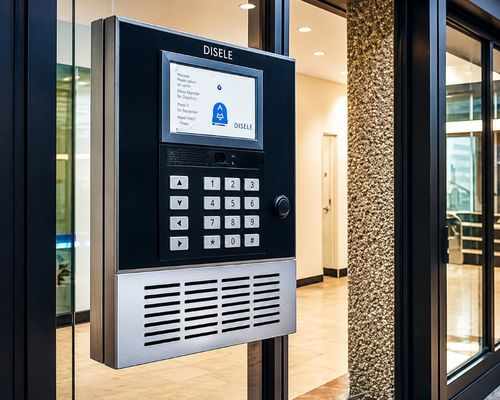
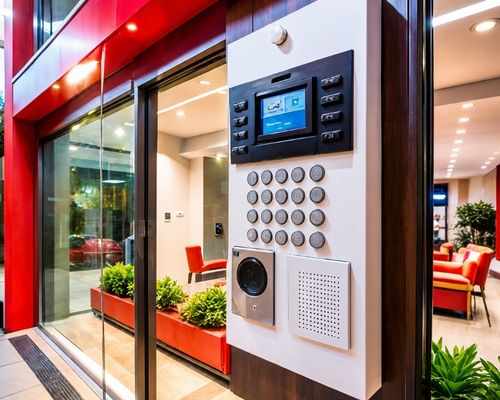
Access management remains one of the most valuable elements of modern security systems for business. Controlling who enters specific areas helps organizations reduce unauthorized activity while improving accountability.
Solutions such as Phoenix access control provide businesses with flexible methods for managing permissions based on roles responsibilities and operational requirements. Instead of relying solely on traditional keys organizations can establish structured access policies that are easier to manage and monitor.
Effective access control offers several advantages:
• Improved visibility into facility activity
• Better protection of sensitive areas
• Enhanced accountability among personnel
• Simplified management of access permissions
• Support for compliance and reporting needs
When integrated with broader security systems access management becomes an important source of operational insight while strengthening facility protection.
System Integration
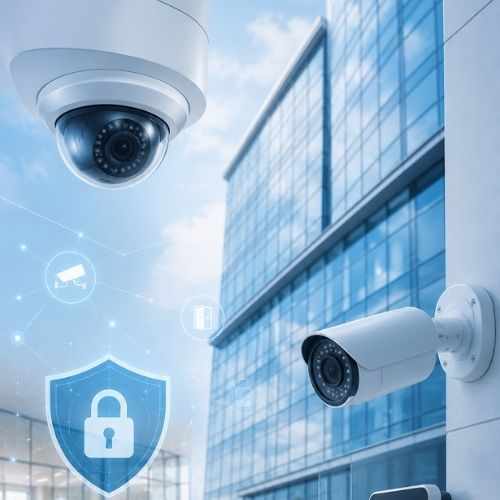
Modern security environments function most effectively when multiple technologies communicate seamlessly. Integration allows organizations to connect surveillance monitoring access management and reporting capabilities into a unified platform.
A connected system enables security teams to view information from different sources within a single environment. This streamlined approach improves awareness and supports faster responses when unusual activity occurs.
Integrated solutions also reduce administrative complexity. Instead of managing separate systems independently organizations can benefit from centralized oversight and more efficient workflows.
Businesses that embrace integration often gain better visibility while creating stronger coordination between security operations and business objectives.
Risk Reduction
Security investments should focus on reducing risks before incidents occur. Proactive strategies help organizations identify weaknesses and address them before they impact operations.
Risk reduction requires ongoing attention rather than a one time implementation. Businesses should regularly evaluate their security measures to ensure that systems remain effective as facilities and operational needs evolve.
Key risk reduction practices include:
• Conducting routine security assessments
• Reviewing access permissions regularly
• Monitoring critical facility areas consistently
• Updating technology when necessary
• Educating employees on security awareness
These practices help create a culture where security becomes part of everyday operations rather than an isolated responsibility.
Organizations that prioritize prevention are often better prepared to handle changing risks and unexpected challenges.
Operational Value
Security systems provide benefits that extend well beyond protection. Many organizations use security technologies to improve efficiency and support informed decision making.
Access records can reveal how facilities are being used while surveillance information can assist with operational reviews and compliance efforts. Security data often provides insights that help managers identify opportunities for process improvements.
In many cases security systems become valuable business tools that contribute to productivity and resource management. This broader value strengthens the return on investment while supporting organizational goals.
Businesses that view security as a strategic resource often gain advantages that go far beyond incident prevention.
Future Growth
Organizations must prepare for growth while maintaining consistent protection standards. Security solutions should be flexible enough to adapt as facilities expand and operational requirements change.
Scalable systems allow businesses to add users locations and capabilities without rebuilding existing infrastructure. This adaptability protects investments and supports long term business development.
Future focused security planning also helps organizations adopt emerging technologies more effectively. As innovations continue to reshape business operations flexible security frameworks make integration easier and more efficient.
Preparing for growth today helps businesses avoid limitations tomorrow while ensuring that security remains aligned with organizational objectives.
Better Outcomes
Successful security programs combine planning design integration and ongoing management. Businesses achieve the best results when security measures support both protection and operational performance.
Decision makers should evaluate solutions based on reliability, scalability, ease of management and long term value. A thoughtful approach helps organizations create security environments that are effectively sustainable and aligned with business priorities.
Strong security systems contribute to confidence, resilience and operational continuity. By focusing on comprehensive planning and engineering businesses can establish a foundation that supports success for years to come.
Final Thoughts
Phoenix Security & Technology understands that effective protection requires more than installing equipment because long term success depends on strategic planning and thoughtful system design. Organizations that invest in well engineered security systems for business can improve safety, strengthen operational efficiency and support future growth objectives. Integrated solutions provide better visibility while helping teams respond effectively to changing conditions. A comprehensive approach to security delivers lasting value that supports resilience, confidence and sustainable business performance across evolving environments.






Write a comment ...