
Every successful organization depends on a secure environment where employees can work confidently and business operations continue without unnecessary interruptions. Business security systems provide reliable protection by combining thoughtful planning with advanced technology to reduce risks and strengthen everyday operations. A well-designed security strategy helps businesses prepare for changing challenges while supporting productivity across every department. Strong security decisions create lasting value through careful engineering and practical implementation. Organizations that invest in dependable protection are better prepared for future growth and operational continuity.
Security Foundation
Business security is no longer limited to locking doors or installing a few surveillance cameras. Modern organizations require a complete strategy that considers physical security, technology integration, operational workflows, and future expansion. Every commercial property has unique risks, making customized planning far more effective than generic installations.
Professional security design begins with understanding how people move throughout a facility and identifying locations that require additional protection. Engineers evaluate entrances, parking areas, office spaces, warehouses, loading docks, reception areas, and restricted zones before recommending technologies that work together efficiently. This planning process creates balanced coverage while avoiding unnecessary equipment or overlapping systems.
Businesses also benefit from considering future operational needs during the design phase. Expansion, renovation, employee growth, and technological advancements become much easier to manage when security infrastructure has been planned with flexibility in mind. Instead of replacing complete systems later, organizations can expand existing solutions with minimal disruption.
Risk Assessment
Every commercial facility faces different challenges depending on its industry, location, building design, and daily activities. A careful assessment helps identify vulnerabilities before selecting hardware or software solutions. Understanding these risks allows organizations to prioritize investments that deliver meaningful protection rather than unnecessary complexity.
Important assessment priorities include:
Evaluate every entry and exit location.
Identify valuable assets requiring protection.
Review lighting throughout the property.
Examine visitor movement patterns carefully.
Plan future business expansion requirements.
Completing these evaluations before installation improves long-term performance because every security component serves a specific purpose. Businesses gain stronger visibility while reducing operational gaps that may otherwise remain unnoticed until an incident occurs.
Integrated Protection
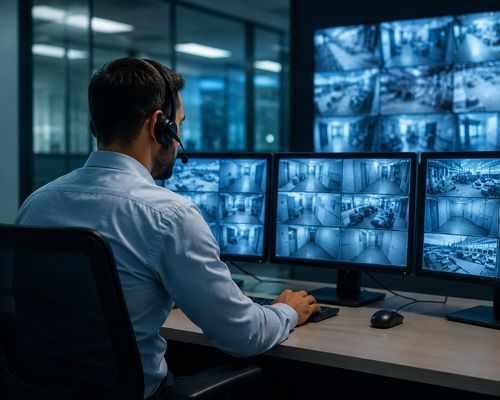
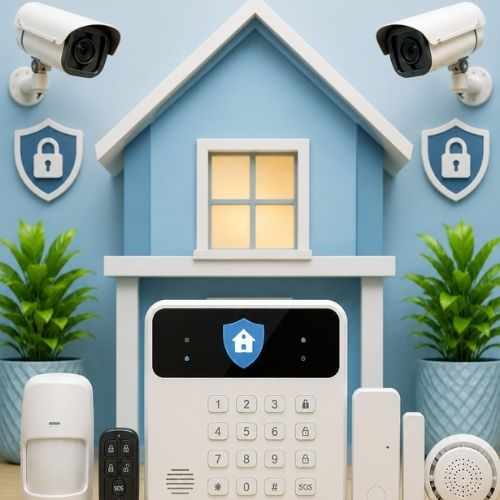
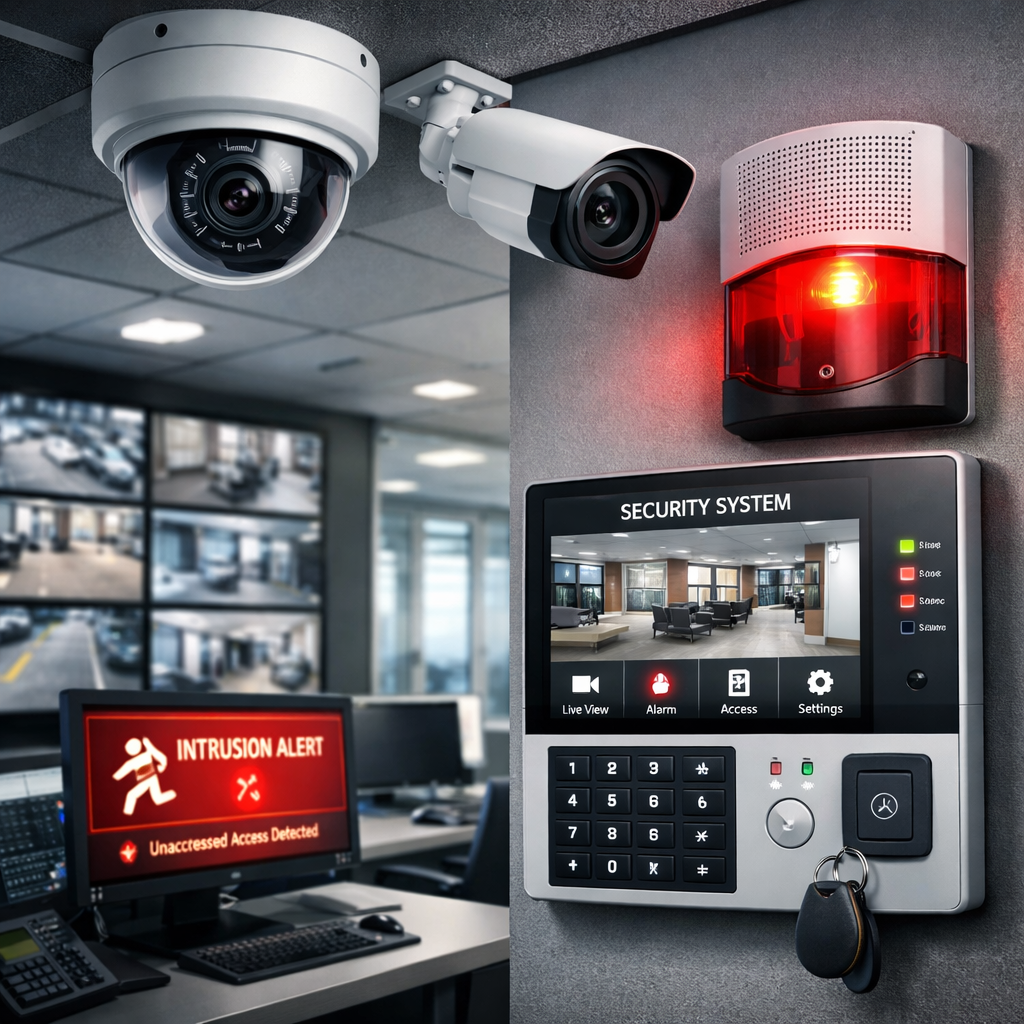
Modern business security systems perform best when multiple technologies operate together as one coordinated solution instead of functioning independently. Integrated systems improve communication between devices, simplify monitoring, and provide faster responses whenever unusual activity is detected. This connected approach supports stronger decision-making while improving overall operational awareness.
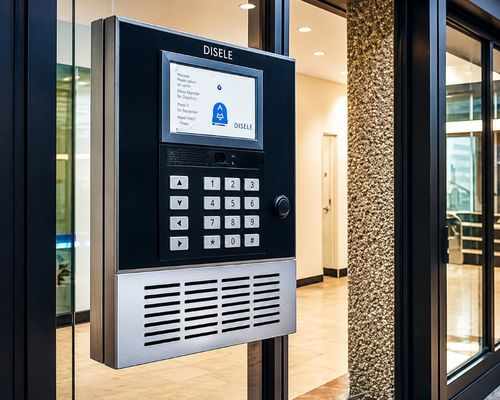
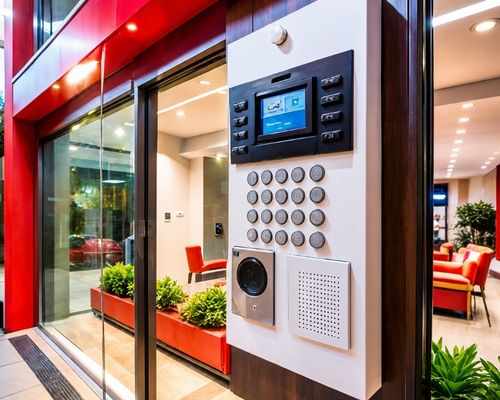
Organizations searching for dependable access control in Phoenix az often recognize that access management becomes significantly more effective when integrated with surveillance, intrusion detection, visitor management, and centralized monitoring. Employees experience smoother access to authorized areas while administrators maintain greater visibility into facility activity without increasing operational complexity.
Carefully engineered integration also reduces duplicate work because security personnel manage information through unified platforms rather than separate applications. This streamlined approach saves valuable time while improving consistency across every protected location.
Smart Technology
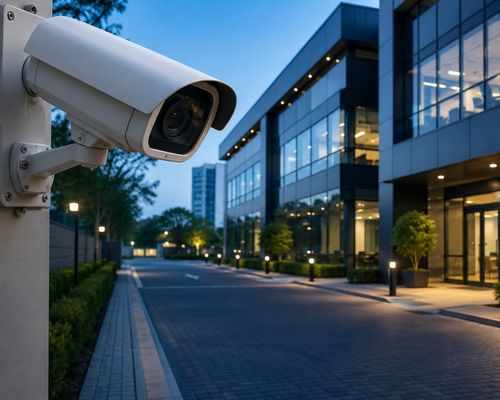
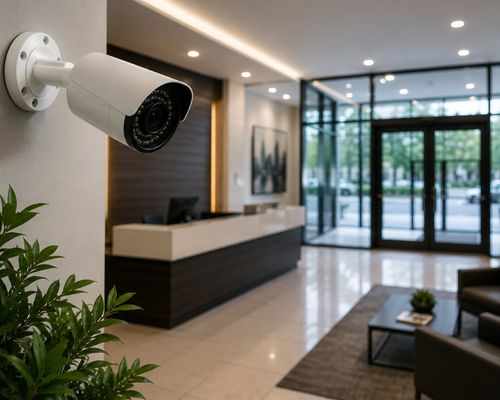
Technology continues transforming commercial security by providing better information and greater operational efficiency. Intelligent surveillance cameras capture higher-quality images while advanced software analyzes activity in real time. Businesses can monitor facilities more effectively without requiring constant manual observation.
Modern security technology also supports remote management, allowing authorized personnel to review events, receive notifications, and monitor facilities from secure locations whenever necessary. Cloud connectivity, encrypted communications, and intelligent analytics provide additional flexibility while maintaining reliable system performance.
These advancements allow organizations to respond faster to developing situations and improve overall awareness throughout commercial properties. Instead of relying solely on recorded footage after an event, businesses gain proactive tools that support earlier intervention whenever unusual activity occurs.
Reliable Design
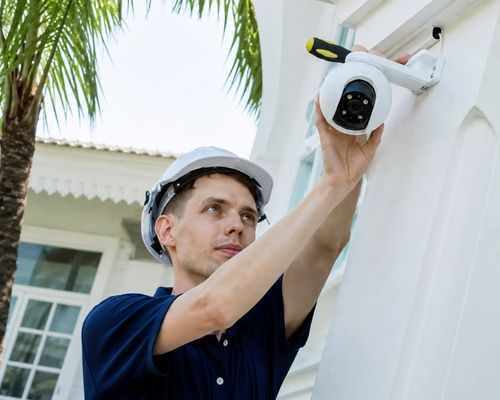
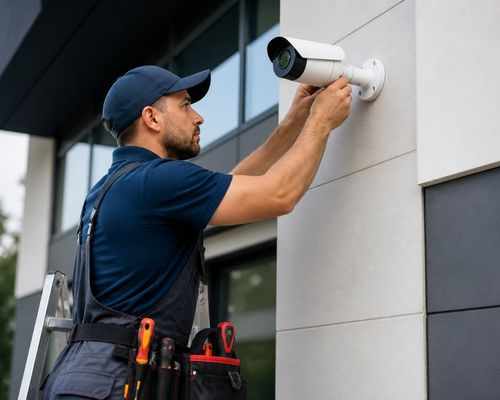
Selecting quality equipment represents only one part of successful commercial security. Professional engineering ensures every component functions efficiently within the complete system. Camera placement, wiring infrastructure, network capacity, storage requirements, power backup, and monitoring capabilities all influence long-term performance.
Effective design also considers employee convenience. Security should protect people without creating unnecessary obstacles during everyday operations. Carefully positioned cameras maintain visibility while respecting workplace functionality, and properly designed access systems improve movement throughout authorized areas without causing delays.
Organizations that invest in engineered security designs often experience fewer maintenance challenges because equipment locations, communication pathways, and future upgrade opportunities have already been considered during the planning process. This thoughtful approach supports dependable performance over many years.
Operational Benefits
Businesses that implement professionally designed security strategies often experience improvements extending beyond physical protection. Employees generally feel more confident when working within secure environments, while customers appreciate organizations that prioritize safety and professionalism.
Well-integrated security systems also contribute to operational efficiency by providing valuable information about facility usage, visitor activity, and access patterns. Managers gain better visibility into building operations while maintaining appropriate security standards across multiple departments or locations.
Additional operational advantages include:
Improve workplace confidence every day.
Strengthen protection for valuable assets.
Support efficient visitor management processes.
Simplify monitoring across multiple facilities.
Prepare infrastructure for future technology.
These practical benefits demonstrate that effective security planning contributes to business success while reducing unnecessary operational risks. Security becomes an important business resource instead of simply an emergency response measure.
Long Term Value
Security investments should deliver dependable performance for many years rather than requiring frequent replacement. Scalable system architecture allows organizations to expand protection as facilities grow, departments relocate, or operational priorities change. This flexibility protects financial investments while reducing future implementation costs.
Routine maintenance, software updates, equipment testing, and ongoing system evaluations also contribute to long-term reliability. Businesses that maintain their security infrastructure consistently experience better performance while reducing unexpected downtime that could affect daily operations.
Another important consideration involves cybersecurity. Modern commercial security increasingly depends on network-connected devices, making secure communication, software management, and system updates essential components of comprehensive protection. Organizations benefit from solutions that address both physical and digital security responsibilities through coordinated planning.
Future Outlook
Commercial security continues advancing through artificial intelligence, predictive analytics, cloud technologies, and improved automation. Businesses preparing today for future growth can take advantage of these innovations by selecting flexible solutions that adapt as technology evolves.
Forward-looking organizations understand that successful security is not determined solely by purchasing advanced equipment. Lasting results come from careful planning, professional engineering, regular maintenance, and continuous improvement based on changing operational needs. Businesses that embrace this strategic approach position themselves for stronger resilience, improved efficiency, and greater confidence as security expectations continue evolving.
Final Thoughts
Phoenix Security & Technology demonstrates how thoughtful engineering and strategic planning help organizations build dependable security solutions that support long-term operational success. Every business benefits from professionally designed business security systems that improve protection while remaining adaptable to future needs. Strong security planning creates safer workplaces, supports confident decision-making, and establishes a reliable foundation for sustainable business growth through carefully integrated technology and practical design principles.


Write a comment ...